Kansas City summers can feel like they were designed by a person who hates thermostats. One week you are comfortable, the next you are watching the humidity climb and wondering why your AC is suddenly blowing warm air. Then there are the winters, ice storms, and those long shoulder seasons when you want the system to behave, but the weather does not cooperate.
In that kind of climate, HVAC decisions get practical fast. You do not want to guess. You also do not want to spend money today on a repair that only buys you a few days, or on a replacement that comes too early. The goal is simple: get reliable heating and cooling with the best value for your home and your schedule.
Below is how I look at the repair versus replace question for AC and HVAC in Kansas City MO, what to watch for, and how to work with an HVAC contractor in Kansas City MO so you end up with a decision you can stand behind.
Why Kansas City changes the “repair or replace” math
Your equipment runs harder in Kansas City than people expect, even if you are not running your system 24/7 at max settings. Humidity matters. When the air is sticky, an AC has to remove moisture constantly, which means longer run times and more wear on parts that handle pressure, temperature, and airflow.
Two things often show up in real-world calls here:
Short cycling on humid days, especially when airflow is restricted or the outdoor coil is struggling. Condensate and drainage issues when indoor humidity and temperature swings create the perfect conditions for clogs and corrosion.Both can trigger the “something is wrong” feeling quickly, but the fix can range from a straightforward AC maintenance issue to a deeper problem affecting compressor health. That is where good diagnostics matter. A repair decision should not be based on the symptom alone, it should be based on the system’s condition as a whole.
The part most homeowners miss: repairs are not all equal
It is tempting to think, “Repair is cheaper, so I will repair.” Sometimes that is correct, especially when you are dealing with a part failure that is isolated and inexpensive relative to the system’s remaining life.
Other times, a repair can be a bandage over a bigger pattern, like repeated refrigerant loss, a blower motor that is nearing end-of-life, or electrical components that keep failing because the system is already operating outside safe conditions.
What I recommend instead is thinking in terms of how the system is aging. One broken part at year 10 can be a normal event. Three connected issues by year 10 can be the start of an expensive slide.
The most useful way to decide: symptoms, system age, and cost-to-life
When customers ask for advice, I usually ask two questions before we talk numbers.
- How old is the system, roughly? (Manufacturers date units, and many homeowners can find the label even if they do not know the exact year.) What exactly is the system doing, step by step? Not “it’s not working,” but what happens at startup, what the thermostat says, what the airflow feels like, and what the outdoor unit sounds like.
From there, repair versus replace often comes down to a simple comparison: the cost of the repair compared with the cost of replacing and the remaining useful life.
A practical rule of thumb many homeowners find helpful is this: if a repair is significant and your system is already in the later portion of its expected life, the repair might be the start of a series rather than a single fix. Many comfort systems commonly last in the neighborhood of 10 to 15 years in typical use, sometimes longer, sometimes shorter depending on maintenance, installation quality, and operating conditions. I do not treat age as destiny, but it is a strong signal.
When repair usually makes sense
Repair is often the right move when the problem is specific, diagnosed confidently, and not tied to broader system deterioration. In Kansas City, that might look like correcting airflow restrictions, fixing electrical issues that were caused by a one-time event, or replacing a failed capacitor or control component while the rest of the system is healthy.
Here are common scenarios where repair tends to be the better value:
- Thermostat or control problems that cause cycling or lockouts but do not indicate deeper mechanical failure. Capacitor failures, contactor issues, or sensor errors where the compressor and coil are behaving normally once you restore proper operating conditions. Clogged filters, dirty coils, or airflow restrictions that are causing high pressure, warm air, or poor humidity control. Small refrigerant-related fixes when the system is otherwise stable and you can identify and correct the source of the leak or pressure loss. One blower issue where the blower motor can be replaced and the system’s other components (drain, coil, compressor, refrigerant circuit) show no red flags.
The key is that these repairs should not require repeated work on the same underlying failure. If every visit looks like “replace the part we found first,” you probably want a different strategy.
A quick checkpoint homeowners can do today
If you are trying to decide whether to call for repair now or plan for replacement, use the information you already have. Does the system run, then stop early? Does it blow cold briefly then warm up? Do you smell burning? Are there error codes? How long has it been acting this way?
When you call, you will get better help if you can answer those questions clearly. It also reduces the chance you get upsold on a replacement when the real issue is an airflow problem.
When replacement is usually the smarter move
Replacement becomes more attractive when the system shows multiple failure signs, when repairs start overlapping, or when the cost is approaching replacement cost while the equipment is already aging.
I usually lean toward replacement in these situations:
- The compressor is failing or has failed and refrigerant work would be substantial. Repeated refrigerant loss suggests a leak pattern rather than a one-time incident. System performance is poor after multiple repairs, especially if humidity control is consistently bad or temperatures are unstable. Electrical and control failures are recurring, indicating the system is operating in a stressful way. Heat and AC are both struggling, especially if you need major parts on both sides or have a short, messy maintenance history.
A comfortable home is about more than meeting a temperature number. If your AC cannot remove moisture reliably, you feel clammy even when the air is “cool.” That often points to issues involving airflow, coil performance, refrigerant balance, or sometimes system sizing and duct losses.
The “cost-to-life” test
A repair decision becomes much clearer when you look at it this way: how much would you spend on repairs, and how long could you reasonably expect to get from the system after that spend?
If the numbers add up to a large fraction of a replacement, especially when the system is older, you might be buying future headaches. In Kansas City MO, where weather can be unforgiving, those headaches are not theoretical. A system that fails in late July or during a January cold snap does not give you time to shop calmly.
The red flags that push the decision toward replacement
Some signs are not subtle. If you see these patterns, it is worth taking replacement seriously rather than treating the situation as “one more repair.”
A few examples from real service calls:
- The outdoor unit runs but the indoor air stays warm, and diagnosis points toward compressor stress or inability to maintain pressures. You keep hearing the system start, strain, and then stop, with symptoms repeating after parts are swapped. You notice consistent odor changes, especially burning smells during startup or operation. The system is producing repeated error codes tied to multiple components, not just a single failed part. Ice forms on the indoor coil repeatedly, even after filter and airflow are addressed, or only returns after a short period.
No single symptom automatically means replacement, but patterns mean you should widen your view.
Common AC problems in Kansas City and how they influence the decision
Low airflow issues that mimic “major failure”
When airflow is restricted, pressures can shift and the unit can behave badly. Homeowners often interpret this as “the AC is dying,” but the root cause can be something simpler like a clogged filter, blocked return, closed vents, or a blower that is struggling.
A system with weak airflow may:
- short-cycle, struggle to cool, freeze the indoor coil, or run but fail to remove humidity.
A repair here may be very reasonable. But if airflow problems keep coming back, you might have duct or system design issues, or a blower motor that is wearing out. Those factors can change the cost-to-life assessment quickly.
Refrigerant concerns and what “leak” really means
Refrigerant is not a normal consumable. If a system repeatedly needs refrigerant, that strongly suggests a leak. Repairing a leak is often possible, but repeated losses over time can indicate multiple leaks or a larger component issue.
In those cases, replacement becomes more likely because the system is not just “low on refrigerant,” it is losing its core ability to regulate heat transfer correctly. Diagnostically, a good HVAC contractor in Kansas City MO will pressure test, inspect likely leak points, and evaluate whether the cost of leak repair and recharging is aligned with system age and overall condition.
Electrical failures, capacitors, and the “why now” question
Capacitors, contactors, and control boards can fail from heat exposure, age, or power quality issues. Sometimes the system truly did nothing wrong until one component quit.
But if you see electrical failures that repeat, the question becomes whether the system environment is stressing the equipment. A weak connection, a failing motor, a miswired component, or consistent high amp draws can shorten component life.
If the fix is a straightforward part swap and the system stabilizes, repair makes sense. If the electrical story keeps repeating across visits, replacement might prevent future labor and parts spend.
Maintenance is what keeps the repair option affordable
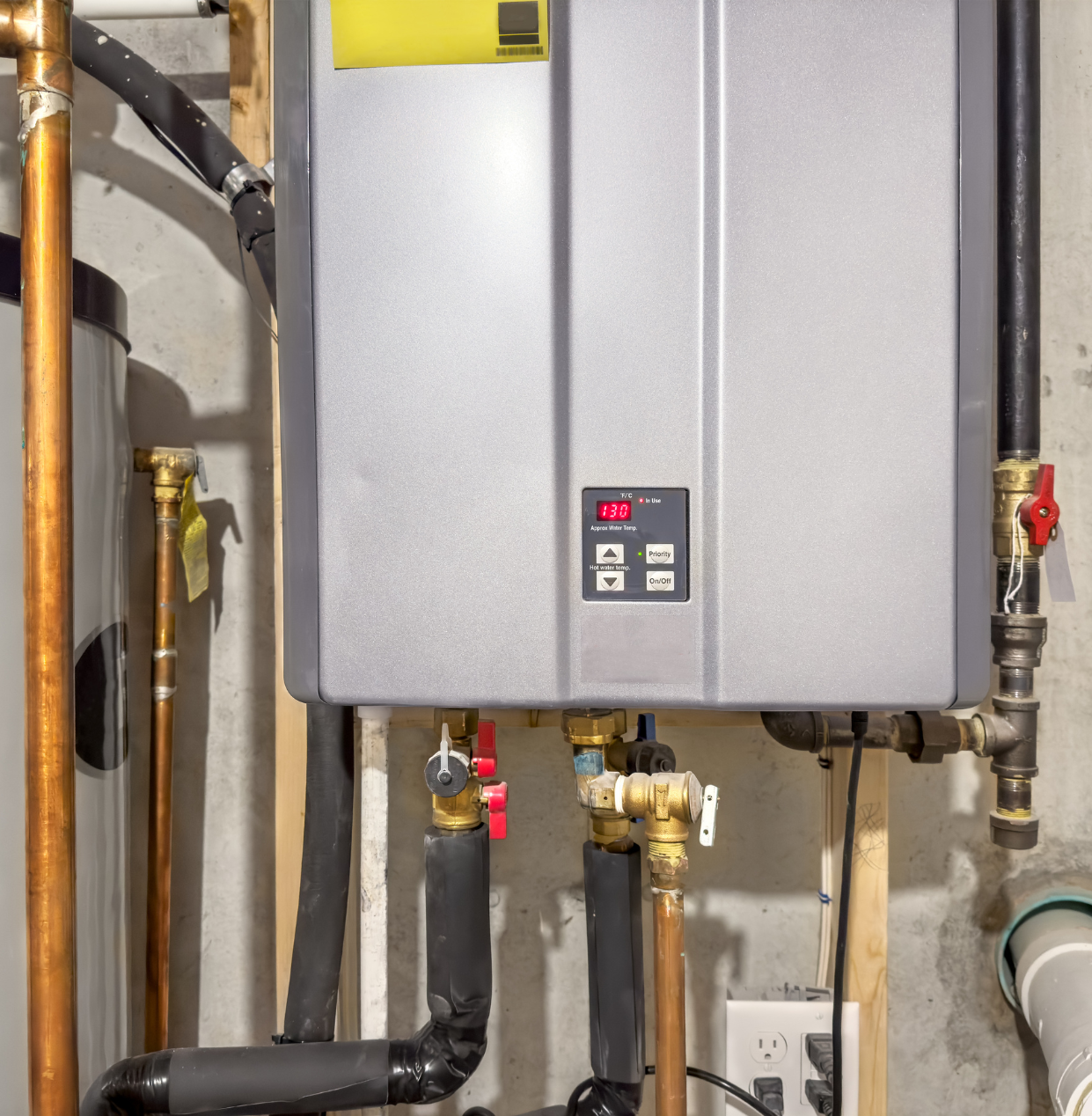
AC maintenance in Kansas City is not a checkbox. It is a difference between “a small correction” and “a major repair.” When you keep airflow stable and coils clean, you reduce the strain on the compressor and improve the system’s ability to handle humidity.
I often describe maintenance to homeowners as risk management. You are not trying to prevent every failure, you are trying to prevent the failures that start cascades.
Here is what a solid, seasonal maintenance visit should cover, not as a marketing script, but as practical checks that affect performance:
- Inspect and clean indoor coil and outdoor coil as needed for airflow and heat transfer. Check refrigerant system readings, operating pressures, and temperatures within manufacturer expectations. Verify indoor blower performance, amp draw, and airflow to avoid short cycling and frozen coils. Inspect condensate drain line and ensure proper drainage to prevent backups and moisture problems. Test safety controls and calibrate thermostat settings for accurate temperature control.
When maintenance is delayed, small issues can become expensive. For example, a dirty coil can push the system to run longer and hotter, which can accelerate wear on parts and lead to harder troubleshooting later.
Repair timelines: how long you can wait without making things worse
When your AC is down, time feels expensive. That is understandable. Still, a lot of decisions hinge on how urgent the problem is and how the system is behaving.
If the system is blowing warm air and the outdoor unit is not running at all, you should not wait weeks. If the system runs but the indoor coil is freezing, waiting can cause other damage, including moisture issues and additional strain once the ice melts and cycles.
On the other hand, if you get an occasional odd behavior that clears up after a restart and does not involve freezing, burning smells, or water issues, you may have a bit more flexibility. But it is still worth scheduling diagnosis early, because the longer you operate a struggling system, the more likely you are to find secondary failures.
The trade-offs people do not always consider
Repair might cost less upfront, but replacement can be cheaper long-term
Replacement is not always the best financial move, but it can be when you are stacking repairs and labor. Labor adds up, especially when parts failures repeat. There is also a difference between a repair that restores normal function and a repair that keeps a struggling system limping along.
Efficiency and comfort are tied together
Newer systems often deliver better comfort because of improved controls and airflow management, not just because they save energy. In humid climates, comfort and efficiency go hand in hand. If your current unit struggles to dehumidify, you can feel uncomfortable even when it is “cool.”
Rebates and financing depend on timing
I cannot promise any specific incentives because they change, but it is worth asking about current options when you are in replacement territory. If you plan to upgrade, timing can matter for available rebates, equipment selection, and installation scheduling.
What to ask your HVAC contractor before you commit
A good decision is built on clear information. If you only hear a diagnosis and a price, you may be missing the bigger picture. You want to understand what is failing, why it failed, and what happens if you repair now.
Here are questions that usually lead to better outcomes, and they are reasonable to ask any HVAC contractor in Kansas City MO:
- What tests support the diagnosis, and what readings did you record? Is the problem likely isolated, or does it suggest broader wear? If we repair, what is the most likely next failure, and how soon? What is the estimated cost range, including labor and any follow-up needs? If we replace, what size and configuration are you recommending and why?
A strong contractor can explain the logic without talking down to you. They should also be transparent about uncertainty. If you are hearing absolutes without measurements, be cautious.
A realistic example: how one decision unfolded
A homeowner called because their AC would cool for a short time, then stop. The thermostat never showed a proper error, and the indoor blower sounded normal at startup. The air felt cooler at first, then warmer within an hour.
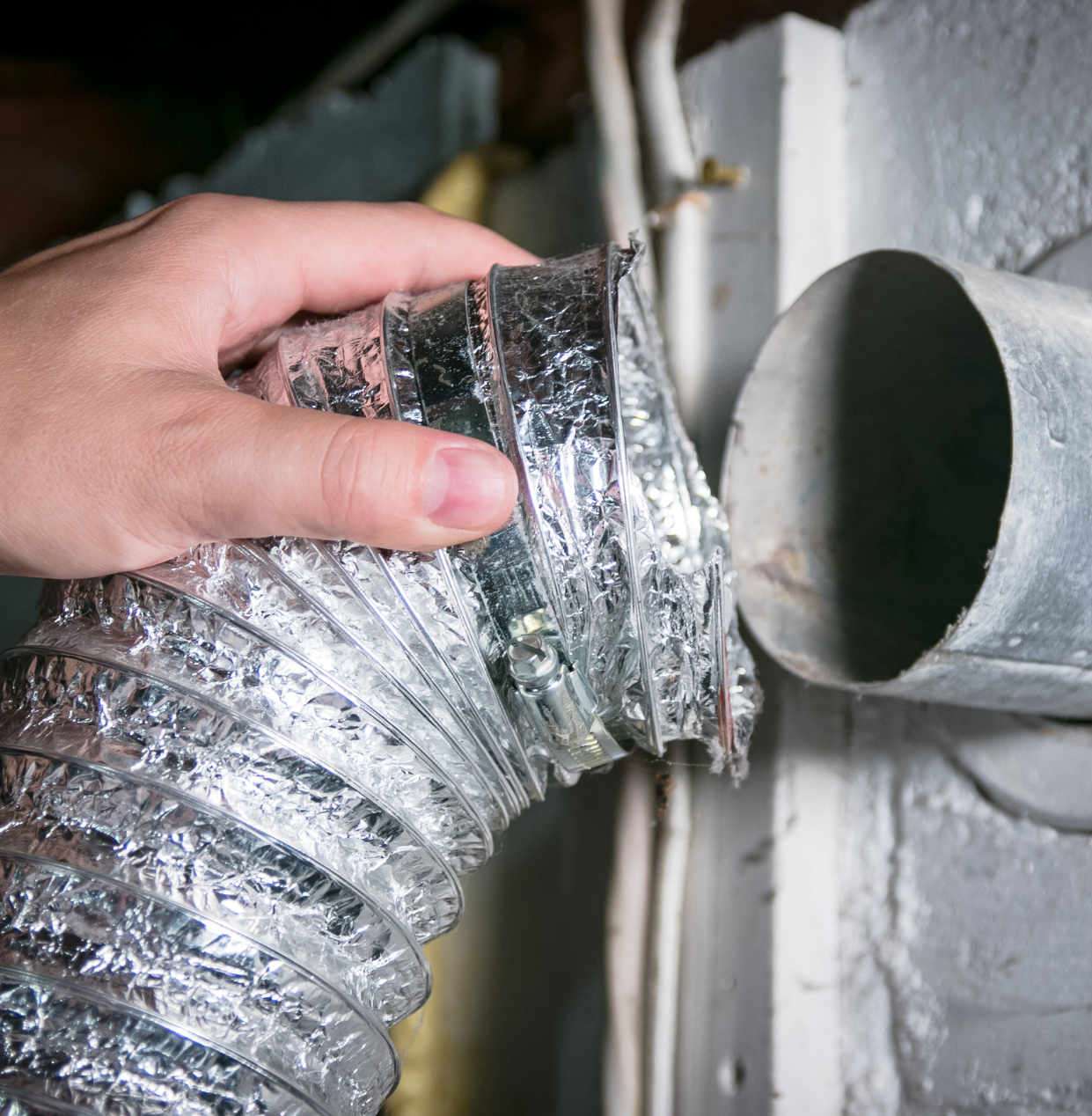
The initial temptation was to treat it as a simple part replacement. But once the system was checked for airflow and temperature behavior, the picture changed. The indoor coil was not staying within normal temperature ranges, and the behavior suggested a cycle tied to system performance rather than just a trigger from the thermostat.
The technician corrected a restricted airflow condition and verified operation. Cooling improved noticeably, but humidity control remained weak. Further inspection pointed to a second issue involving the system’s ability to maintain conditions under normal load. Repair was still possible, but the cost-to-life was not great given the system age.
We compared scenarios: repair now with the expectation of another service visit versus replacement with the expectation of stable comfort. The homeowner chose replacement, and the change in day-to-day comfort was immediate. Evenings stopped feeling damp, and the system ran more steadily instead of pushing hard and then giving up.
That case is why I do not treat “AC is not cooling” as a single-category problem. The same symptom can come from very different causes, and the decision should reflect that reality.
AC installation in Kansas City: why the replacement choice sometimes matters more than the equipment
When it is time to replace, it is easy to focus only on the unit model number. You should, but you also need to care about the installation details because those details strongly influence long-term performance.
In Kansas City, common issues that affect comfort and reliability include:
- duct leakage or poor duct sizing, airflow restrictions, improper refrigerant line routing or insulation, mismatched indoor blower and outdoor unit performance, and thermostat or humidity control settings.
If your system is undersized, it may never keep humidity under control. If it is oversized, it can cool too quickly, short-cycling and leaving the home clammy. A good AC installation in Kansas City is about matching equipment to your home, not just swapping a box for another box.
If you are on the fence, use a structured way to compare options
Sometimes the “repair or replace” call is not a gut decision, it is a comparison of two realities: a known repair cost versus a larger replacement cost that may deliver more stable comfort.
If your contractor provides both options with clear reasoning, you can compare:
- estimated system life after repair, expected performance and humidity control, the chance of additional parts within a year, and how much you would spend total over time.
A cautious approach is to ask what would change their recommendation if the system were younger or if maintenance had been consistent. The answer tells you whether you are making a decision based on evidence or sales momentum.
Practical next steps for your situation
If your AC is acting up now, your best move is to get an honest diagnostic quickly and document what is happening. If you have to share details with family or a landlord, being organized saves time and prevents repeated troubleshooting.
Also, protect yourself against the “mystery fix” pattern. If you feel like the troubleshooting is guessing, you can ask for readings, photos, and the specific tests performed. A professional HVAC contractor in Kansas City MO should be comfortable explaining what they measured and why.
When replacement is on the table, ask for sizing justification and a clear plan for installation. When repair is the likely path, ask what the repair changes in the system’s behavior, and what warning signs you should watch over the next heating or cooling season.
Two patterns that predict expensive trouble
I will end with two situations I see often, because they help people avoid the most frustrating outcomes.
First, when maintenance has been inconsistent and the system is now failing, you may pay for more than the “current part.” You might also pay to correct the operating conditions that caused the part to fail. HVAC contractor in Kansas City MO That can make repair cost feel surprising, even when the fix is technically correct.
Second, when customers keep restarting a failing system without addressing the root issue, the failures can compound. A system that is struggling under high pressure or restricted airflow can shorten the life of components, meaning the eventual repair becomes bigger or the system becomes unrecoverable.
In Kansas City’s climate, you are not just managing a machine. You are managing comfort and safety through heat waves and cold snaps. The repair versus replace decision should respect that reality, using diagnosis, system age, performance behavior, and cost-to-life rather than price alone.
If you want, tell me your system age, whether it is AC only or heat plus AC, and what symptoms you are seeing (warm air, short cycling, freezing, strange noises, error codes, or water issues). I can help you think through which side of the repair versus replace line your situation most resembles, and what to ask your contractor so you get a decision that makes sense.
All 4 One Heating & Cooling
5828 Woodland Ave, Kansas City, MO 64110, United States
816-699-8366
[email protected]
Website: https://all4onekc.com/